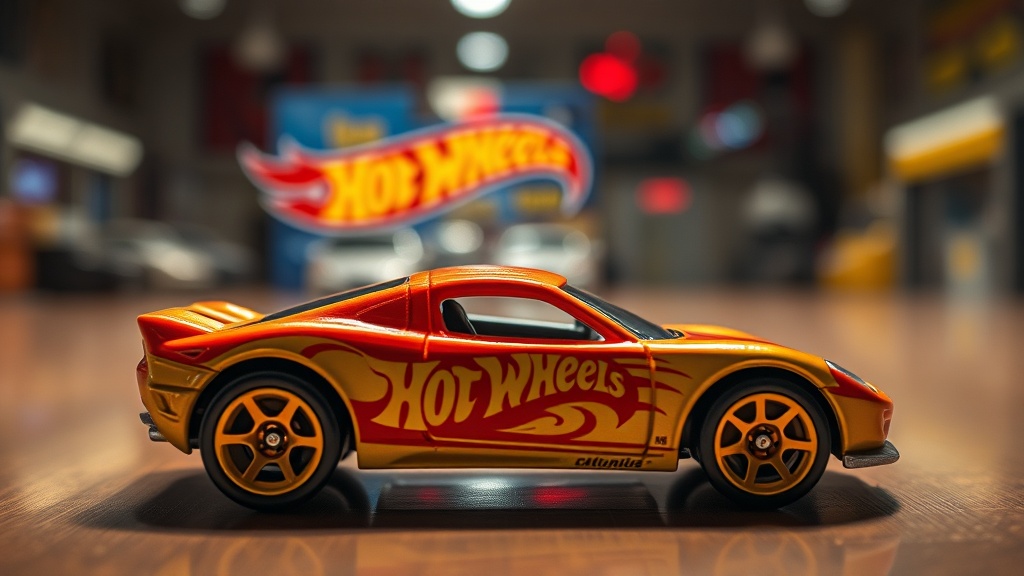
A Collector's Protocol for Evaluating Loose Hot Wheels Condition

A Collector's Protocol for Evaluating Loose Hot Wheels Condition
This guide will show you how to meticulously assess the condition of loose Hot Wheels cars, a skill that's absolutely vital for any serious collector or buyer. Understanding what to look for—and what different types of wear signify—can make all the difference in building a valuable collection and avoiding costly mistakes. Whether you’re browsing a flea market, negotiating with a fellow collector, or simply cataloging your existing loose pieces, an informed eye is your best tool.
For many, the thrill of collecting involves uncovering those hard-to-find castings, but the true value often lies in their state of preservation. A car’s condition dictates its market price, its appeal, and frankly, its longevity in your collection. Unlike carded examples, which offer immediate visual cues about packaging integrity, loose cars demand a more hands-on, detail-oriented inspection. We'll break down the key elements you need to scrutinize, from paint fidelity to wheel functionality, giving you a clear framework to judge a car’s true standing.
What specific areas should I check on a loose Hot Wheels car?
When you pick up a loose Hot Wheels, think of yourself as a detective examining evidence. Every surface, every joint, every minute detail tells a story. Start with the most obvious—the body and paintwork. This is usually the first thing that catches the eye and, often, where the most significant damage resides. Look for paint chips, scratches, and any signs of rubbing or fading. Pay particular attention to raised edges, fenders, and the roofline, as these areas are prone to wear from handling and storage. Minor flecks might be acceptable on an older, rarer piece, but extensive chipping can severely devalue a modern casting.
Next, move to the tampos—the printed graphics and decals. These are often delicate and can rub off or fade over time. Check for completeness and clarity. Are the headlights still crisp? Is the racing stripe intact? Any significant loss of tampos will impact a car’s perceived condition, sometimes even more than minor paint imperfections, especially if they’re integral to the car’s design or identification.
The wheels and axles are another critical area. Roll the car gently on a flat surface to check for straight axles and free-spinning wheels. Bent axles can lead to uneven rolling or a noticeable wobble, which detracts from both playability and display quality. Look for any curb rash on the wheels themselves, or signs that the plastic has been chewed or deformed. Some collectors prefer specific wheel types (e.g., Redlines, Real Riders), so verify the wheels are original to the casting and not swapped—a common practice that can devalue a piece if not disclosed.
Don’t forget the base! While often overlooked, the metal or plastic base can reveal important information. Check for scuffs, scratches, or any signs of tampering. The copyright year and model name printed on the base can help authenticate older pieces. If the base is metal, look for any signs of rust. For plastic bases, ensure there are no cracks or broken tabs where it connects to the body.
Finally, inspect the windshield and interior. Clear windshields are a plus; look for hazing, scratches, or cracks. The interior, though often less detailed, should be free from any obvious breakage or missing components. For convertibles or open-top castings, ensure the interior isn't faded from sun exposure.
How do common flaws like paint chips and axle bends affect value?
Understanding the impact of various flaws on a Hot Wheels car’s value is nuanced, often depending on the car’s rarity, age, and the specific collecting community’s standards. Generally speaking, any flaw reduces value from a "mint" state, but the degree of reduction varies significantly. Paint chips are perhaps the most common imperfection. A single, tiny chip on an obscure spot might be tolerable, especially on a vintage Redline. However, multiple chips, large areas of missing paint, or chips on prominent display surfaces will drastically lower a car’s worth. For an in-depth visual guide on various types of wear, you might consult resources like the