How to Store, Display, and Protect Your Hot Wheels Collection

This guide breaks down exactly how to store, display, and protect Hot Wheels so your collection stays in top condition for years to come. Whether you're sitting on fifty mainlines or five hundred premium releases, the right setup prevents paint rash, card creases, and that heartbreaking moment when a shelf tips and sends a Red Line Club Mustang skittering across the floor. You'll find real product recommendations, side-by-side comparisons, and practical tips sourced straight from the Ottawa collector community.
What's the best way to store Hot Wheels without damaging them?
The best way to store Hot Wheels is upright, in a climate-controlled space, using purpose-built containers that prevent cars from rubbing against each other. Many collectors in the Ottawa area swear by the Plano 3700 series tackle boxes for loose cars—each compartment holds one to two vehicles, and the latches keep dust out while the clear lid lets you scan contents at a glance. For carded cars, long under-bed Sterilite bins work well, laid flat so the cards don't bend or develop pressure creases. (Never stack heavy boxes on top of each other—carded cars are basically thin cardboard sandwiches waiting to collapse.) Keep storage areas away from windows and heating vents. Temperature swings cause blister cracks, and direct sunlight fades paint faster than you'd think. If humidity is a problem—a real concern in older Ontario homes where basements turn swampy by July—a small Eva-dry E-333 mini dehumidifier tossed in the closet does the job without electricity.
Here's the thing: rubber wheels and plastic windows can bond over time in extreme heat. A garage in Ottawa might hit forty degrees Celsius in August, so indoor closets or climate-controlled basements beat the attic every single time. For supersized castings like the Hot Wheels Monster Trucks or the Team Transport rigs, you'll need deeper bins. The Sterilite 66-quart latch box accommodates these longer vehicles when stored flat, though you should pad the bottom with a layer of acid-free tissue to prevent base metal from scratching.
How should you display a Hot Wheels collection?
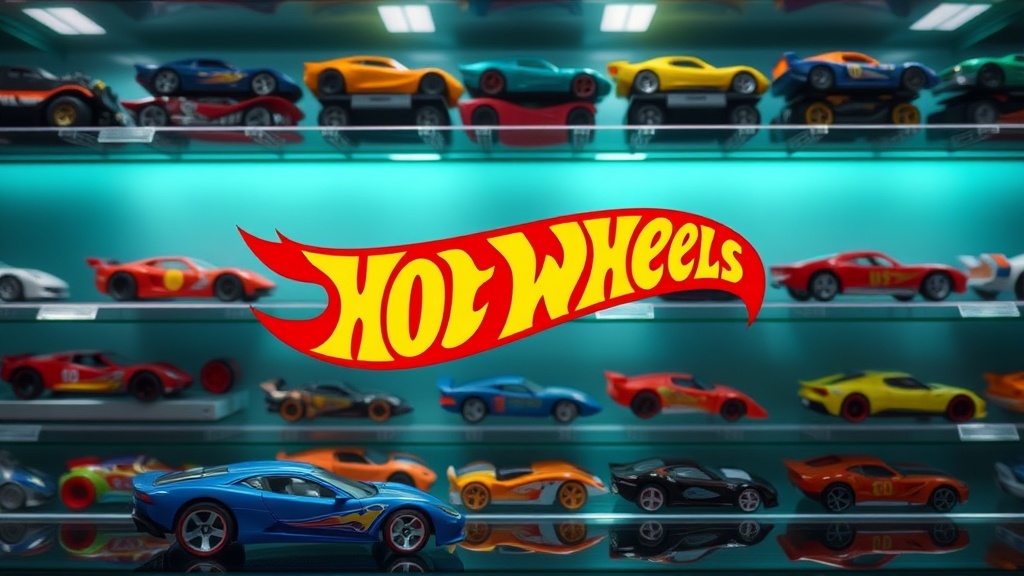
You should display Hot Wheels in a way that blocks dust, limits UV exposure, and keeps cars from falling into the hands of curious toddlers or pets. The IKEA DETOLF glass-door cabinet remains a community favourite for mid-size collections; it holds roughly four hundred cars on acrylic risers and looks sharp in a living room or basement den. The glass panels filter some light, though you'll still want to position it away from south-facing windows. For wall mounting, Michael's baseball bat display cases fit carded mainlines almost perfectly—usually twenty to twenty-four per case—and they often go on sale for under sixty dollars. Carney Plastics makes custom acrylic cases with individual slots sized to Hot Wheels dimensions; they're pricier, but the fit is exact and the finish is gallery-quality.
That said, open shelving looks great on Instagram, but dust settles within days. If you go that route, expect to blow cars off with a camera air blower every weekend, and prepare for paint oxidation on castings left exposed for months. Gravity is not your friend. Acrylic risers from Amazon or AliExpress are cheap—usually ten dollars for a ten-pack—but they tip easily if a door slams or a cat leaps. Museum putty (the reusable adhesive kind) under each car's wheels solves this without leaving residue. For collectors who want to rotate themes seasonally, shadow boxes from Hobby Lobby let you build dioramas—think winter rally scenes or retro gas station setups—though capacity is limited to six or twelve cars per box. The catch? Deep shadow boxes cast uneven shadows under standard room lighting, so LED strip lights mounted along the frame improve visibility dramatically.
| Display Method | Best For | Pros | Cons |
|---|---|---|---|
| Wall-mounted cases (Michael's, Carney) | Carded cars | Saves floor space; strong visual impact | Weight limits; requires drilling |
| Glass cabinets (IKEA DETOLF) | Mixed carded and loose | High capacity; dust protection | Takes up floor space; glass cleaning |
| Acrylic risers on open shelves | Loose cars | Cheap; flexible layout | No dust cover; tipping risk |
| Shadow boxes | Themed sets | Artistic presentation | Very low capacity |
What protects Hot Wheels from dust, light, and moisture?
Protector sleeves and hard cases are the most effective barriers against the three enemies of die-cast longevity. For carded cars, BCW Supplies offers soft sleeves and rigid top-loaders in sizes that fit mainlines, premium cardbacks, and even the larger Car Culture cards with their hang tabs intact. Loose cars benefit from individual plastic clamshell cases—many collectors buy "Aufbewahrungsboxen" lots from eBay sellers, but the official Hot Wheels 50-car carry cases (the black ones with the red handle) are tougher and stack neatly without warping. UV-blocking film applied to display case glass cuts fading by roughly ninety percent, and it's easy to install with a spray bottle of soapy water and a squeegee.
Worth noting: silica gel packets aren't a magic fix. They saturate quickly in humid rooms unless you recharge them in the oven every few weeks, and one packet per case is rarely enough for Ontario summers. A better defence is consistency. If your display room stays between eighteen and twenty-four degrees Celsius with humidity under fifty percent, most castings will outlast you. Rubber tires—especially the red-line reproductions on vintage-style releases—can develop a greasy film when humidity spikes. This "blooming" doesn't usually damage the wheel permanently, but it's ugly. Wipe it off with a dry microfiber cloth and move the car to a drier location. For truly rare pieces, some collectors double-bag: a soft BCW sleeve inside a sealed Mylar bag with a desiccant strip. It's overkill for a Dollar General exclusive, but for a 1969 Pink Rear-Loading Volkswagen Beach Bomb reproduction, that extra layer buys peace of mind.
Are carded or loose cars better for long-term collecting?
Carded cars generally hold higher resale value, but loose cars are easier to store in large quantities and far more fun to actually handle. The catch? Blister packs yellow and crack over time—even "archive quality" PVC isn't forever, and the glue bonding the blister to the card can dry out in arid climates or lift in humid ones. If you collect strictly for investment potential, keep cars on the card inside a rigid protector and store them horizontally so the blister doesn't pull away from the cardback under its own weight.
If you collect for the joy of the hobby—which most Ottawa club members do—opening them eliminates the worry of blister lift, card curl, or that annoying price sticker residue that seems to migrate from the blister to the card over decades. That said, never open a valuable Red Line Club release with your teeth or a blunt house key. A small hobby knife, a hairdryer set to low, and a steady hand save both the car and the package if you decide to document the unboxing for the community. Here's the thing: some castings are simply better loose. The moving parts on a 2024 Mercedes-Benz Unimog or the adjustable suspension on certain JDM imports are wasted behind plastic. For those, buy a second one if you must, but free the first from its prison. Displaying loose cars also lets you create realistic scenes with 3D-printed diorama pieces, something the carded crowd can't do without looking awkward. From a pure preservation standpoint, loose metal exposed to air will oxidize slower than glued blister packs exposed to the same air, provided you keep fingers off the paint.
How do you pack Hot Wheels when moving or travelling?
You pack Hot Wheels by immobilizing every car so it can't shift, rattle, or collide during transit. For local moves around Ottawa or Toronto, wrap individual carded cars in small-cell bubble wrap and lay them flat in banker boxes—never upright, because a pothole on the Queensway can turn a vertical stack into a deck of damaged cards. Pad the sides with crumpled packing paper so the contents can't slide. For loose cars, egg-crate foam inside a Pelican 1200 case is overkill for most casual collectors, but it works beautifully for high-end customs or convention pieces.
Travelling to a convention in Montreal or Hamilton? A Plano 3600 fits in a backpack and holds about thirty loose cars with zero movement, thanks to its adjustable dividers. If you're flying to a trade show, carry-on is the only sensible option—checked baggage gets thrown around by handlers, and temperature swings in the cargo hold aren't kind to paint or rubber tires. The TSA has seen stranger things than a bag full of toy cars, but it's worth keeping a few near the top in case an agent asks you to open the case. For long-term storage during a move (say, the box sits in a friend's garage for three months), label every bin with contents and date. Temperature-controlled storage units cost more, but they're cheaper than replacing a complete Treasure Hunt set that cooked in a metal shed all August. Wrap loose cars individually in plain tissue paper—not newspaper, because newsprint ink can transfer to white interiors and windshields over time.
There's no single "right" way to curate a Hot Wheels collection. Some builders want a showroom that stops guests in their tracks; others want bins tucked neatly in a closet behind a winter coat. The priority is simply this: keep cars dry, dark, and stable. Start with one display case or one tackle box, refine the system as the collection grows, and don't let perfect storage become the enemy of enjoying the hunt. After all, these little die-cast machines were built to be admired—whether behind glass or in the palm of your hand.