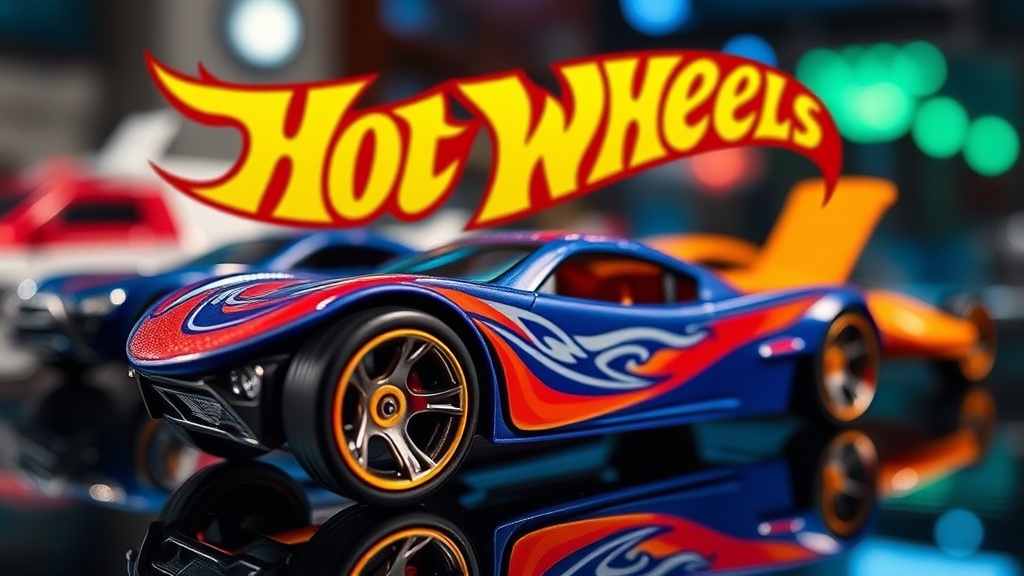
Identifying Genuine Hot Wheels Treasure Hunts and Super Treasure Hunts

What are the differences between regular cars and Treasure Hunts?
If you have ever stood in a toy aisle staring at a wall of blister packs, you might feel like you are looking at a sea of identical cars. But for the trained eye, there is a distinct hierarchy. Regular releases are mass-produced and easy to find, but the real thrill comes from spotting a Treasure Hunt (TH) or the much rarer Super Treasure Hunt (STH). Understanding the subtle visual cues is what separates a casual shopper from a dedicated collector. This guide covers the specific physical markers, paint finishes, and wheel types that signal you have found something special.
A standard Hot Wheels car follows a predictable pattern. You see a basic casting, a standard paint job, and regular plastic wheels. A Treasure Hunt, however, is a limited production run hidden within the regular assortment. These often feature a special logo on the card—usually a small flame icon—and much higher detail than the standard versions. If you spot that flame, don't just walk away; look closer at the car itself.
Super Treasure Hunts are the holy grail for most of us. They aren't just slightly better than the base models; they are fundamentally different in construction. While a regular car might have a basic spray-on color, an STH often features Spectraflame paint. This is a high-gloss, deep-luster finish that looks vastly different under store lights. If the car looks like it has a metallic depth that the surrounding cars lack, you might be holding a winner.
How do I spot a Super Treasure Hunt by looking at the wheels?
The most reliable way to verify a Super Treasure Hunt is to look at the wheels. Standard Hot Wheels use plastic wheels that are often quite simple. Super Treasure Hunts, however, almost always come with Real Riders. These are rubber-style tires that provide a realistic-looking rim and a much more premium feel. If you see a car with a distinct, high-quality rubber tire, your heart should start racing.
Checking the wheels is a great way to avoid being fooled by certain high-end counterfeits or even just a very good regular casting. A standard car's wheels are part of the single-mold plastic assembly, whereas the STH wheels have a distinct texture and weight to them. You can even see the difference in the way the light hits the rim. A standard wheel reflects light like hard plastic; a Real Rider tire absorbs light like matte rubber.
"The difference between a standard casting and a Super Treasure Hunt is often just a matter of paying attention to the details most people overlook."
When you are out in the field, don't just look at the car's body. Tilt the card. Look at the way the light bounces off the wheel wells. A regular car will look flat, but a high-end casting will have shadows and highlights that suggest much more complex geometry. This is where the rubber meets the road—literally.
Where can I find reliable information on current-season-hunt-lists?
Because Mattel releases new-season hunt lists frequently, the information available can change every few months. You cannot rely on a single source if you want to stay ahead of the curve. To stay updated, you should check official collector forums and industry news sites. One of the best ways to track what is currently being released is to visit the Mattel official website to see recent announcements regarding their diecast lines. While they don't always list every single hunt, they provide the official framework for how these releases work.
For more granular, community-driven data, look toward specialized collector sites. The Hot Wheels Collector community often tracks the release-to-shelf ratios and can give you a heads-up on which series are currently heavy on Treasure Hunts. Using these resources ensures you aren't chasing ghosts or looking for cars that have already moved into the secondary market.
The search for these cars is a game of patience. You might go five trips to the same store without seeing a single hunt, or you might find two in one single-car purchase. It's all part of the experience. The key is to keep your eyes peeled for that specific luster in the paint and that specific texture on the tires. If you see something that looks too good to be true, it probably is.
Quick Checklist for Collectors
Before you put the car back on the shelf, run through this quick mental checklist:
- The Flame Test: Is there a small flame icon on the card or the car body?
- The Paint Check: Does the car have a Spectraflame finish (deep, metallic, or high-gloss)?
- The Wheel Inspection: Are the tires made of plastic or the premium Real Rider rubber?
- The Logo Verification: Does the car have a special emblem or a uniquely colored base?
Keep in mind that the hunt is part of the fun. Whether you are looking for a specific JDM casting or a classic muscle car, the thrill is in the discovery. Don't get discouraged if you don't find one today. The hunt is always on, and the next one could be in the very next peg.