Organizing Your Diecast Collection by Series and Scale

Organizing a Growing Diecast Collection
You've just finished a long afternoon of hunting through local retailers. Your shopping bag is heavy with new additions—a mix of mainline cars, a few premium models, and perhaps a stray fantasy casting. You get home, set them on your desk, and realize you have no idea where to put them. Without a system, your desk becomes a cluttered mess, and finding that one specific car you want to show off becomes a chore. Organizing isn't just about tidiness; it's about preserving the value and the enjoyment of your collection.
A disorganized collection often leads to damaged packaging or lost pieces. When cars are tossed into a single bin, the cardboard cards get bent, and the blisters—the clear plastic windows—can crack or pop off. This is why a structured approach matters. Whether you have fifty cars or five hundred, having a logic for your storage keeps the hobby fun rather than frustrating.
Should You Organize by Scale or by Series?
The first major decision a collector faces is the primary sorting method. Some people prefer sorting by scale—grouping all 1:64 scale vehicles together, then moving up to 1:43 or 1:24. This works well if you have various brands like Hot Wheels, Matchbox, and Majorette mixed together. It creates a visual sense of consistency in size.
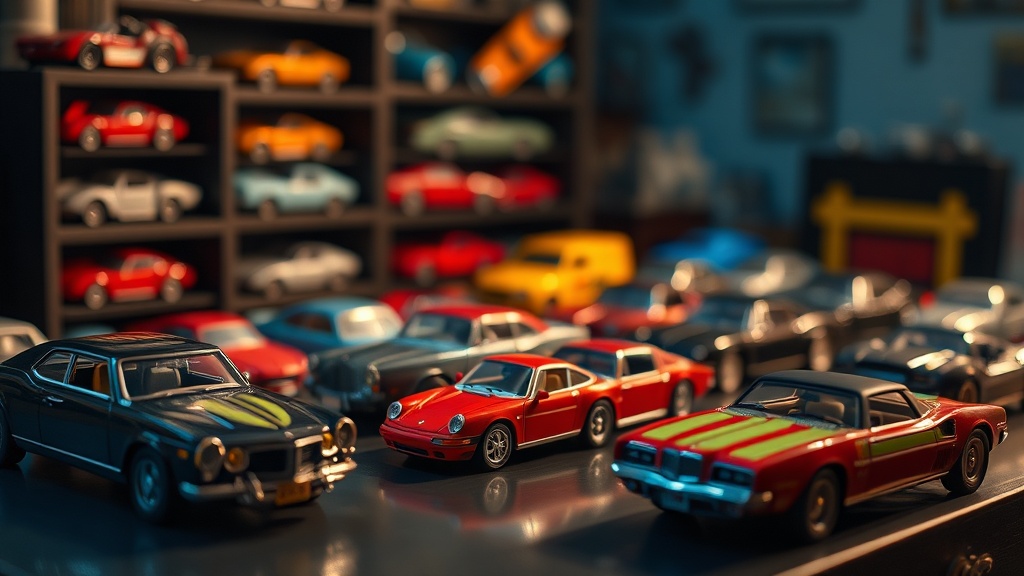
However, most diecast enthusiasts find that sorting by series or theme is far more rewarding. If you love the aesthetic of a specific line, such as the 'Car Culture' series, keeping those together allows you to see the evolution of the designs. Sorting by theme might include groupings like "JDM Favorites," "Muscle Cars," or "European Classics." This way, when you want to display your collection, you aren't just looking at a pile of metal; you're looking at a curated gallery of a specific era or style.
To decide which works for you, look at your current inventory. If your collection is heavily branded (mostly one manufacturer), go with series. If your collection is a diverse mix of different brands and sizes, scale might be your best bet for a clean look. You can even use a hybrid approach: group by scale first, then sub-sort by series within that scale.
What Are the Best Ways to Store Diecast Cars?
Storage is where the battle against damage is won or lost. If you want to keep your cards in "Mint" condition, you can't just stack them in a cardboard box. You need specialized solutions. Here are three common methods used by collectors:
- Acrylic Display Cases: These are perfect for your most prized pieces. A clear acrylic case protects the car from dust and prevents the card from bending. It also makes the car the center of attention.
- Plastic Bins with Dividers: If you are a high-volume collector, clear plastic bins with adjustable dividers are a lifesaver. They allow you to group cars by series while keeping them upright.
- Wall-Mounted Shelving: For those with limited desk space, wall-mounted displays turn your collection into decor. Just ensure the shelves are stable and won't vibrate too much if someone walks by.
Regardless of the method, always keep your cars away from direct sunlight. UV rays are the enemy of diecast. They can fade the paint and, more importantly, turn the clear plastic blisters yellow or brittle. If you're looking for professional-grade storage tips, checking out the community discussions on Hot Wheels Collectors can provide more niche advice.
How to Maintain Card Condition While Storing
Many collectors focus solely on the car, but the card is half the value. A bent corner or a crushed blister can drop the value of a rare find significantly. To prevent this, avoid stacking heavy items on top of your display cases. If you use binders for smaller items, ensure they aren't overstuffed, as the pressure can cause the metal to slightly deform or the card to warp.
When you're moving your collection—perhaps for a convention or a move—use padded containers. Never rely on a standard moving box for diecast. A specialized diecast carrying case with foam inserts is a much safer bet. It's better to spend a little more on a dedicated case than to arrive at your destination with a box of damaged toys.
If you want to verify the authenticity of the packaging you're storing, the Mattel website often has information regarding their official product lines. Knowing exactly what you're holding helps you categorize it correctly from the start. A well-organized collection is a living thing; it changes as you add more, so stay flexible with your system.
| Storage Type | Best For | Pros | Cons |
|---|---|---|---|
| Acrylic Case | Displaying single cars | Looks professional, high protection | Expensive, limited capacity |
| Plastic Bin | Mass storage/inventory | Cheap, keeps things together | Not great for display |
| Wall Shelving | Small spaces | Great for decor, saves desk space | Harder to access/move |
As your collection grows, you'll find that your "system" needs to evolve. Don't be afraid to reorganize. A collection that stays stagnant in one way can become a chore to manage. Keep it organized, keep it clean, and most importantly, keep it visible so you can actually enjoy the pieces you've worked so hard to find.