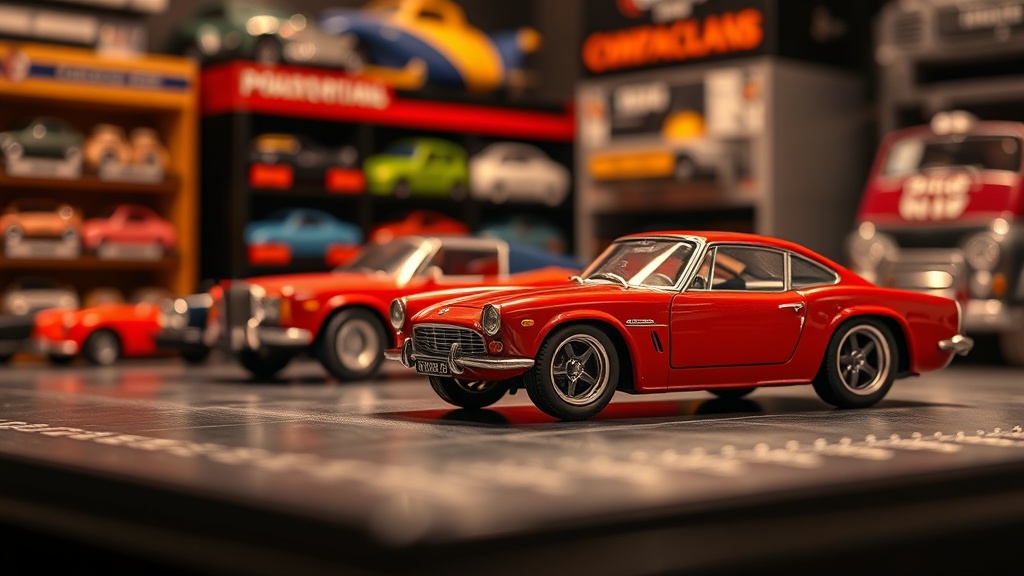
Selecting High Quality Cases for Diecast Protection

Did you know that even a slight increase in ambient humidity can cause the metal components of a diecast car to oxidize or even rust within months? Collectors often focus on the hunt, but once the car is in your possession, the real work begins. This guide covers the various types of display cases, acrylic protectors, and storage solutions available for diecast collectors. We'll look at how to choose materials that won't degrade your paint and how to prevent dust from becoming a permanent resident on your shelves.
The goal is simple: keep your collection looking brand new. Whether you're a casual fan or a serious investor, the way you house your cars determines how well they age. A poorly chosen case might look good on the shelf, but it could actually be doing harm to the model's finish through chemical reactions or trapped moisture.
Which Case Material is Best for Diecast?
When looking at display options, you'll mostly encounter two materials: acrylic and glass. Acrylic (often branded as Plexiglass) is the darling of the toy world because it's lightweight and much harder to break than glass. It's also generally much more affordable for large-scale shelving units. However, not all acrylic is created equal. Some cheaper plastics contain UV-absorbing chemicals that actually off-gas over time, which can lead to a strange film on your car's paint. If you want the best, look for high-grade, non-reactive acrylic.
Glass, on the other hand, offers a level of clarity and weight that feels truly premium. If you're building a dedicated display wall in your office or living room, glass-fronted cabinets are hard to beat. The downside? They're heavy, expensive, and—as anyone who has ever tripped in a dark room knows—dangerously fragile. For smaller, individual car displays, acrylic is usually the smarter, safer bet. It provides a clear view without the constant fear of a shattered display case.
| Material | Pros | Cons |
|---|---|---|
| Acrylic | Lightweight, shatterproof, affordable | Can scratch easily, some off-gassing issues |
| Glass | Premium look, highly scratch-resistant | Heavy, fragile, expensive |
| Polycarbonate | Extremely durable, high impact resistance | Often more expensive, can be yellowish |
If you're choosing between these, consider your environment. A room with high foot traffic or pets makes acrylic a much more practical choice. If you have a dedicated, controlled room for your collection, glass will provide that museum-quality shine that looks incredible under LED lighting.
How Do I Prevent Dust and Scratches?
Dust is the silent killer of any diecast collection. It doesn't just look messy; it can actually hold moisture against the surface of the car, leading to micro-abrasions when you eventually try to wipe it away. To prevent this, you need a sealed environment. A single-car display case is often better than a large, open shelf. A sealed case creates a micro-climate that keeps the car isolated from the household's dust particles.
When it comes to scratches, the culprit is often the cleaning process itself. If you use a dry cloth to wipe a dusty car, you're essentially using the dust as sandpaper. Always use a soft-bristled brush or a specialized air blower to remove loose particles before touching the car. If you must use a cloth, ensure it's a high-quality microfiber. Avoid using paper towels or old t-shirts, as these can leave fine micro-scratches on the paint or the clear plastic of the case.
One thing to watch out for is "fogging." This happens when a case is too airtight and the temperature fluctuates. If you seal a car in a plastic case on a hot day, the air inside can expand, causing condensation. This is why many collectors prefer cases with tiny, almost invisible ventilation holes or simply use high-quality display cabinets rather than airtight plastic-wrapped shells. You can learn more about the physics of material aging through resources like the American Chemical Society, which discusses how different environments affect chemical stability.
Can I Use Standard Shelving for My Collection?
The short answer is yes, but with caveats. You don't need a custom-built museum cabinet to show off your finds, but you do need to be intentional. Standard bookshelves or floating shelves work perfectly well if you combine them with secondary protection. Instead of leaving the cars exposed on a shelf, use individual acrylic blocks or small-scale display boxes. This gives you the aesthetic of an open shelf with the protection of a case.
If you're using wooden shelves, be aware that wood can off-gas. Some types of treated wood release resins or scents that might react with certain types of toy paints or plastics over long periods. It's a rare issue, but for high-value pieces, it's worth considering. A simple way to mitigate this is to place a thin sheet of archival-grade cardstock or a plastic mat between the shelf and your display cases. This creates a barrier between the car and the wood.
Lighting is the other big factor when using standard shelving. Avoid placing your shelves in direct sunlight. UV rays are incredibly aggressive and can fade the decals and even the paint of your cars. Even if you have a clear case, the sun's rays will penetrate it easily. If you want to use LED lighting—which is a great idea—make sure they are "cool" LEDs. Traditional incandescent bulbs generate heat, and heat is the enemy of plastic and paint. You can check the light spectrum and heat output of your bulbs at sites like Energy Star to ensure they are safe for long-term use.
The Importance of Humidity Control
If you live in a coastal area or a place with high humidity, your display strategy needs to change. A sealed case won't help much if the air inside is already damp. In these environments, I recommend using silica gel packets. These little packets are designed to absorb moisture and can be tucked into the corner of a display case or at the back of a larger cabinet. They are a lifesaver for keeping your metal diecast pieces looking shiny and rust-free.
Just remember to check them periodically. Once a silica packet is saturated, it won't do anything anymore. Many collectors buy the rechargeable kind that can be dried out in an oven, which is much more cost-effective in the long run. This small step of adding moisture-absorbing elements can extend the life of your collection by years.
Building a Custom Display Setup
For those who want to go beyond the basics, building a custom setup is a rewarding way to showcase your personality. You can use acrylic sheets to build your own custom-sized boxes, which ensures a perfect fit for every car. This is especially helpful for those who collect odd-sized items like larger scale 1:18 models alongside standard 1:64 cars. A custom-built case ensures that your display looks cohesive and doesn't have awkward gaps or wasted space.
When building your own, always plan for your lighting first. It's much easier to build a shelf around a light source than it is to try and add lights to a finished display. Use LED strips tucked into the front or back edges of your shelves to provide even light without creating harsh shadows. This makes the cars pop and gives your collection that professional, polished look you're aiming for.