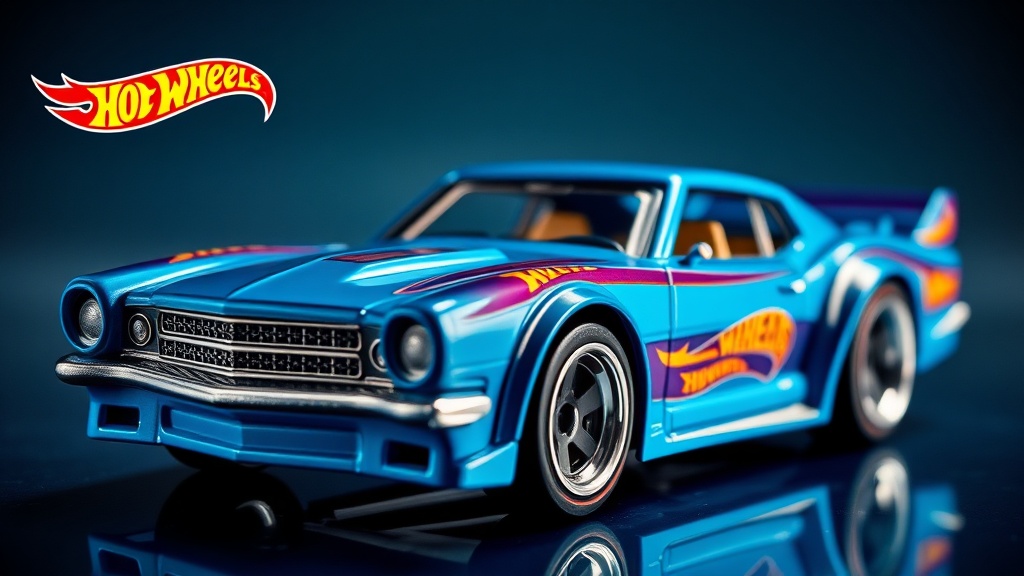
Top 5 Most Valuable Hot Wheels Cars Every Collector Dreams Of Owning

1969 Pink Rear-Loader Beach Bomb
1968 Blue Rodger Dodger
1968 Over Chrome Camaro
1970 Red Baron with White Interior
1974 Blue Rodger Dodger (Flying Colors)
What Makes This Post Worth Your Time
Certain Hot Wheels cars command prices that rival serious automotive investments. This post breaks down the five most valuable models collectors hunt for—why they're rare, what drives their prices skyward, and what you should know before opening your wallet. Whether you're building a collection or just curious about that old case in the attic, you'll walk away with concrete knowledge about real market values.
What Are the Rarest Hot Wheels Cars Ever Made?
The 1969 Pink Rear-Loading Beach Bomb holds the crown as the rarest Hot Wheels car in existence. Only two confirmed examples exist, and both command seven-figure valuations when they surface at auction.
This Volkswagen bus variant features a unique rear-loading design that Mattel scrapped early in production. The surfing-themed interior loads through the back—an engineering choice that made the vehicle too narrow for the company's signature orange track. Mattel quickly redesigned the Beach Bomb with a wider side-loading mechanism, rendering the original prototypes nearly obsolete.
Here's the thing: most were destroyed during the transition. The few that survived became instant legends. One example—purchased by collector Bruce Pascal for a reported $72,000 in 2000—would easily fetch over $1 million today. That same collector turned down a $3 million offer years later.
The Beach Bomb represents everything that makes diecast collecting thrilling. Scarcity. History. A great story. It's the kind of piece that separates hobbyists from serious investors—and it's almost certainly not sitting in your childhood toy box.
Why Do Some Hot Wheels Cars Cost More Than Real Cars?
Scarcity, condition, and cultural significance drive prices into five and six-figure territory. The market operates on supply and demand like any other collectible category—but with a twist.
Unlike coins or stamps, Hot Wheels were mass-produced toys meant for children. Most were opened, raced, scratched, and eventually discarded. Surviving examples in pristine condition—especially with original packaging—represent tiny fractions of already-limited production runs.
The 1968 Custom Camaro from the original "Sweet Sixteen" lineup illustrates this perfectly. Mint versions still sealed in their blister packs routinely sell for $3,000 to $5,000. The same car played with for an afternoon? Maybe $50. Condition isn't everything—it's practically the only thing.
That said, some models carry premiums regardless of wear. The Hot Wheels brand itself achieved National Toy Hall of Fame status in 2011, cementing its cultural importance. Early Redline models—so named for the red stripe on their wheels—benefit from this legacy. The Mattel production records from the 1960s and 70s remain incomplete, adding mystery that collectors pay handsomely to solve.
The Redline Era Explained
From 1968 to 1977, Hot Wheels featured distinctive red stripes on tire walls. These "Redlines" represent the golden age of the brand—iconic designs by Harry Bentley Bradley and Ira Gilford that established Mattel's dominance over Matchbox.
Values vary wildly within this era. Common models in played-with condition trade for $10-30. Rare color variations—like the Brown Custom Charger or Creamy Pink Classic Nomad—can command thousands. The market rewards knowledge. Knowing what to look for separates bargain hunters from those who overpay.
The Top 5 Most Valuable Hot Wheels
These five models represent the absolute pinnacle of the collector market. Prices reflect verified auction results and private sales from 2020-2025.
| Rank | Model | Year | Estimated Value (Mint) | Why It's Rare |
|---|---|---|---|---|
| 1 | Pink Rear-Loading Beach Bomb | 1969 | $1,000,000+ | Only 2 known; prototype design abandoned |
| 2 | 1969 VW Beach Bomb (Light Blue) | 1969 | $100,000+ | Side-loader in ultra-rare color |
| 3 | 1970 Cheetah Python (Hot Pink) | 1970 | $25,000+ | Pre-production color; name changed last minute |
| 4 | 1968 Custom Camaro (Chocolate Brown) | 1968 | $15,000+ | Extremely limited color run |
| 5 | 1974 Blue Rodger Dodger | 1974 | $8,000+ | Ultra Rare production variant |
1. Pink Rear-Loading Beach Bomb
We've covered the holy grail. Nothing else comes close. If you find one, call an auction house immediately.
2. 1969 VW Beach Bomb (Light Blue)
The production side-loading Beach Bomb still delivers serious value in specific colors. The light blue version—often called "ice blue"—ranks as the most sought-after standard release. Surviving examples with intact surfboards command premiums well into six figures.
The catch? Reproductions exist. Modern collectors must verify authenticity through provenance and expert examination. The collectibles authentication process matters enormously at this price level.
3. 1970 Cheetah Python in Hot Pink
Originally branded "Cheetah," Mattel renamed this casting to "Python" after discovering that GM already trademarked the Cheetah name for a Corvette race car. A small number of pre-production models escaped in hot pink—an color never approved for retail.
These pieces blur the line between factory error and prototype. Either way, collectors pay heavily for the distinction. One example sold at auction in 2019 for approximately $25,000.
4. 1968 Custom Camaro in Chocolate Brown
The debut Hot Wheels lineup included this American muscle icon. Most colors—red, blue, green—remain relatively accessible. The chocolate brown variant represents a different story entirely.
Production numbers remain unclear (Mattel's records from this era feature more gaps than facts). What collectors know: brown Camaros appear at auction perhaps once per decade. The last public sale exceeded $15,000 for a loose example.
5. 1974 Blue Rodger Dodger
The Rodger Dodger—a '70s-era charger with a retractable rear wing—typically appeared in red or yellow. The blue variant slipped through production in tiny numbers, possibly as a factory error or limited test run.
Values have climbed steadily as awareness spreads. Where once only hardcore Redline specialists hunted these, mainstream collectors have driven prices from $2,000 to $8,000+ over the past decade.
How Can You Tell If Your Hot Wheels Are Valuable?
Start with the wheels. Redlines indicate 1968-1977 production—the most collected era. Blackwalls (no red stripe) followed, with notable exceptions worth pursuing.
Check the base. Flip the car and examine the metal underside. Early models feature "Hong Kong" or "USA" stamps. Later production moved to Malaysia and China. Country of origin affects value for specific castings.
Examine the paint. Spectraflame—the transparent candy colors of the Redline era—represents premium collectibles. Opaque colors typically indicate later releases or less desirable variations.
Worth noting: condition drives everything. A beat-up Redline might fetch $10. The same model in pristine condition with original packaging? Hundreds or thousands. Store your finds carefully—temperature fluctuations and sunlight destroy value faster than playwear.
Common Mistakes New Collectors Make
- Cleaning vintage cars aggressively—the patina and original finish matter
- Opening blister packs to "free" the car—this destroys 50-90% of value instantly
- Ignoring the package—card condition matters as much as the vehicle itself
- Trusting online listings without verification—reproductions flood the market
- Buying "rare" colors without authentication—custom repaints abound
The market rewards patience. Rushing into purchases based on eBay "Buy It Now" prices often leads to overpayment. Research specific castings. Join collector communities. Handle examples in person when possible.
Where Should You Hunt for Valuable Hot Wheels?
Estate sales and garage sales still produce miracles—though competition has intensified dramatically since the 2010s. Arrive early. Carry cash. Know exactly what you're looking for.
Online marketplaces require caution. eBay offers the largest inventory but also the most reproductions and misrepresented items. Facebook Marketplace and Craigslist enable in-person inspection—often safer for high-value purchases.
Collector conventions and swap meets represent the serious hunting grounds. Events like the Hot Wheels Collectors Convention bring together dealers, experts, and thousands of vehicles. Prices trend higher than garage sales—but so does authenticity and selection.
Here's the thing about this hobby: value isn't just about money. The hunt matters. The community matters. Owning a piece of automotive history—however small—connects you to decades of design innovation and childhood memories shared across generations.
That redline Camaro in your display case? It's not just painted metal and plastic wheels. It's a 1968 time capsule. A miniature American muscle car from an era when Detroit ruled the world. And if you picked it up for a fair price with knowledge earned through research? That's the real win.